Pink Watermelon Seamless Patterns
There’s a quiet but unmistakable shift happening in how creators approach color, texture, and thematic cohesion—especially in digital design. Pink watermelon seamless patterns sit at the intersection of this evolution: playful yet polished, nostalgic yet fresh, and deeply functional across both screen and print. More than just a seasonal aesthetic, they reflect a broader movement toward intentional, emotionally resonant design choices that serve real-world creative workflows.
What Makes These Patterns Stand Out—Beyond the Obvious
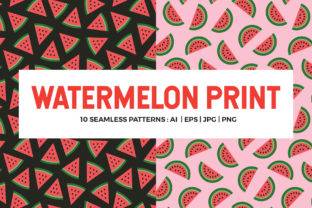
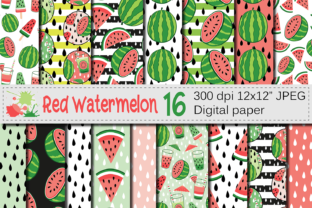
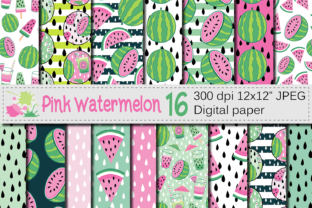
Pink Watermelon Seamless Patterns isn’t just another digital paper pack—it’s a carefully curated set of 16 high-quality 300dpi 12 x 12 JPEG files, each designed to tile flawlessly without visible seams. The palette leans into soft pinks, vibrant magentas, minty greens, and sage accents—colors that feel grounded in nature but refined for modern use. Unlike generic fruit-themed graphics, these patterns balance whimsy with versatility: the watermelon motif is subtle enough to avoid cliché, yet distinct enough to carry meaning and mood.
Each file is delivered watermark-free in a single ZIP archive—no subscriptions, no hidden layers, no licensing friction. That simplicity matters. Today’s designers—from freelance illustrators building client decks to small-batch stationery makers prepping for Etsy launches—need assets that integrate smoothly into existing tools (Canva, Adobe Photoshop, Affinity Designer, Procreate) and scale reliably from social media banners to letterpress invitations.
Why Seamless Patterns Are Gaining Real Traction
Seamless patterns have moved beyond textile and wallpaper applications into everyday digital creation. With remote collaboration, rapid prototyping, and multi-channel marketing now standard, professionals need repeatable, adaptable visual elements that maintain consistency across touchpoints. A well-designed seamless pattern can unify a brand’s Instagram feed, packaging mockups, presentation slides, and printed product tags—all while requiring minimal editing time.
This demand aligns with two converging trends: first, the rise of “micro-branding,” where even hobbyists and educators develop recognizable visual signatures (think classroom planners with consistent motifs or bloggers using cohesive story highlight covers). Second, growing awareness of print quality expectations—even for personal projects. Consumers and clients alike notice when something looks pixelated, misaligned, or digitally thin. That’s why the 300dpi resolution and JPEG format here aren’t arbitrary specs—they’re practical responses to how people actually work and deliver.
From Niche to Necessary: How Usage Has Expanded
A decade ago, digital scrapbooking kits dominated the market for themed papers like these. Today, the same assets power entirely different workflows. Consider a small business owner launching a summer-themed skincare line: they might use one pink watermelon seamless pattern as a background for product photography overlays, another as a subtle texture in email newsletter headers, and a third as a repeating border on custom thank-you cards. No graphic designer needed—just smart, ready-to-use files.
Similarly, educators designing summer learning packets or camp activity sheets find value in patterns that signal seasonality without overwhelming content. The gentle rhythm of a seamless watermelon motif adds visual interest to worksheets or digital handouts while keeping focus on the material—not the decoration. And for marketers running limited-time promotions, these patterns offer an instant way to refresh visuals without commissioning original artwork.
Practical Integration—No Guesswork Required
The 12 x 12 inch dimensions are deliberate. They match standard digital scrapbook paper sizing, yes—but they also translate cleanly into common design ratios. Scale them down for mobile-first assets (e.g., 1080x1350 Instagram posts), crop them for web banners (1200x400), or tile them full-bleed for printable wall art or fabric swatches. Because they’re JPEGs—not layered PSDs or vector-based SVGs—they open instantly in virtually any image editor or layout tool, reducing friction for users who prioritize speed over complexity.
Importantly, the absence of watermarks isn’t just about aesthetics—it’s about trust and professionalism. When you’re preparing client deliverables or submitting designs to print-on-demand platforms, hidden marks or low-res previews create unnecessary revision loops. These files remove that uncertainty. You know exactly what you’re getting—and what your end result will look like.
Where Pink Meets Function: Real Use Cases
- Card making and invitations: Layer a light pink watermelon pattern beneath elegant typography for wedding or baby shower invites—soft contrast, strong theme.
- Product design: Apply a muted green-and-pink variation as a background texture for cosmetic labels or food packaging mockups, reinforcing freshness and approachability.
- Digital planning: Import into Notion or GoodNotes as notebook covers or habit tracker backgrounds—subtle enough to support focus, distinctive enough to spark joy.
- Educational resources: Use in editable Google Slides templates for summer science units (plant biology, hydration themes) or SEL activities centered on growth and balance.
- Social media content: Create cohesive Instagram carousels by applying different patterns to individual slides—maintaining brand voice while varying visual rhythm.
Design Integrity Meets Everyday Needs
It’s easy to overlook how much intention goes into making something feel effortless. These patterns avoid oversaturation—the pink tones range from dusty rose to coral, never neon; the greens stay botanical rather than artificial. That restraint ensures longevity. A design asset used heavily in June shouldn’t feel dated by August. This set was built for reuse, not one-off novelty.
That mindset reflects a larger shift among creators: moving away from chasing viral trends and toward cultivating sustainable, reusable libraries. Instead of downloading dozens of unrelated freebies, many professionals now invest in tightly focused, high-fidelity sets like Pink Watermelon Seamless Patterns because they reduce decision fatigue and increase output consistency. It’s less about having *more* options—and more about having the *right* ones, ready when needed.
Who Benefits Most—and Why
Freelancers managing multiple clients appreciate the time saved when a single pattern set supports branding across several industries—beauty, wellness, education, or lifestyle. Bloggers creating seasonal roundups or gift guides gain visual continuity without hiring a designer for every post. Small business owners launching pop-up collections or holiday lines get professional-grade polish without complex production timelines. Even hobbyists restoring vintage recipe cards or assembling memory books find these patterns elevate their personal projects with zero learning curve.
What ties these users together isn’t just shared software or platforms—it’s shared values: clarity, authenticity, efficiency, and attention to detail. Pink Watermelon Seamless Patterns meets those values not through marketing claims, but through execution: reliable resolution, thoughtful color harmony, seamless tiling behavior, and straightforward delivery.
A Note on Accessibility and Adaptability
While primarily visual, these patterns support inclusive design practices too. Their moderate contrast ratios make them suitable for light-on-dark or dark-on-light applications (test against your chosen text color). The JPEG format ensures compatibility with assistive technologies that interpret alt text and document structure—especially important when embedding into accessible PDFs or educational materials. And because they’re static raster files—not animated GIFs or heavy SVGs—they load quickly and perform consistently across devices and connection speeds.
In a landscape increasingly shaped by AI-generated visuals, there’s renewed appreciation for human-crafted, purpose-built assets. Pink Watermelon Seamless Patterns doesn’t try to do everything—but it does its specific job exceptionally well. That focus makes it useful today, adaptable tomorrow, and quietly indispensable for anyone who builds, teaches, sells, celebrates, or creates with intention.